Factory Automation Solutions: How Singapore Manufacturers Are Reducing Manpower Costs
Across Singapore’s manufacturing sector, rising labor costs and limited workforce availability have made efficiency a top priority. As a result, companies are rapidly investing in factory automation singapore solutions to reduce dependency on manual labor while improving productivity, consistency, and scalability. From robotics systems to PLC-controlled production lines, automation is reshaping how factories operate in the modern economy.
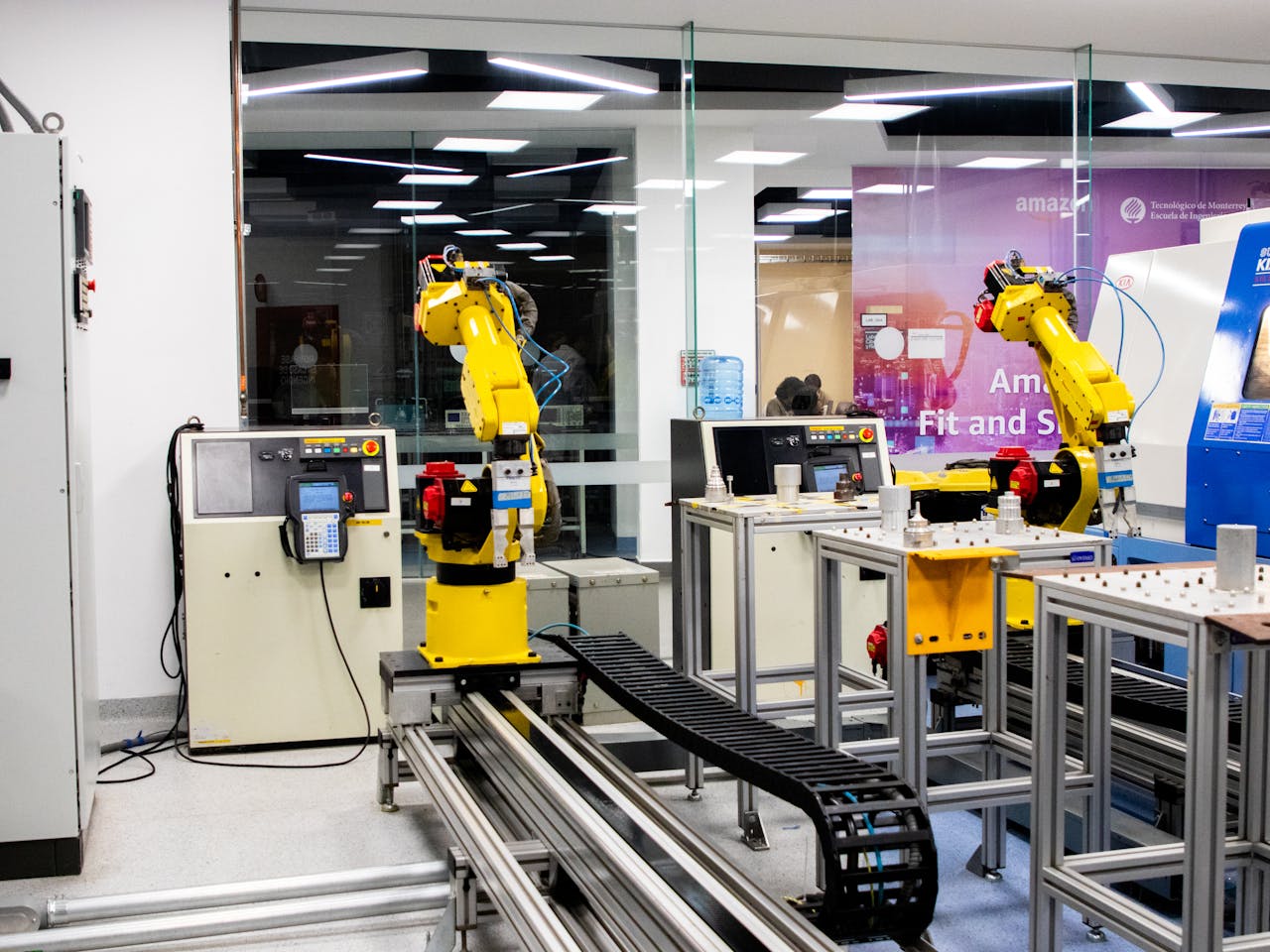
Table of Contents
- What is Factory Automation?
- Why Manpower Costs Are Rising in Singapore
- How Factory Automation Reduces Labor Dependency
- Key Technologies Used in Automation Systems
- Robotics and Automated Production Lines
- PLC Systems and Process Control
- Motion Control and Precision Automation
- Industrial IoT and Smart Factory Systems
- Cost Savings Through Automation
- Industry Applications in Singapore
- Implementation Challenges
- Future of Automated Manufacturing
- Conclusion
What is Factory Automation?
Factory automation refers to the use of advanced control systems, robotics, sensors, and software to operate manufacturing processes with minimal human intervention. The goal is to streamline production, reduce errors, and improve overall efficiency while lowering operational costs.
In modern manufacturing environments, automation replaces repetitive manual tasks with intelligent systems that can operate continuously and consistently.
Why Manpower Costs Are Rising in Singapore
Singapore’s manufacturing sector faces unique challenges, including rising wages, a limited labor pool, and strict regulatory requirements for foreign workforce hiring. These factors significantly increase operational costs for manufacturers.
As a result, companies are actively seeking automation solutions to reduce reliance on manual labor while maintaining or increasing production output.
How Factory Automation Reduces Labor Dependency
Factory automation reduces manpower costs by replacing manual processes with machines and intelligent systems that can operate autonomously. Tasks that once required multiple workers can now be handled by a single automated system.
This allows companies to reallocate human resources to higher-value tasks such as quality control, system monitoring, and process optimization.
Key Technologies Used in Automation Systems
- PLCs (Programmable Logic Controllers): Control machine operations and production sequences
- Robotics Systems: Handle repetitive and high-precision tasks
- Sensors and Vision Systems: Detect product quality and process conditions
- HMI Interfaces: Allow operators to monitor and control systems
- SCADA Systems: Provide centralized monitoring of factory operations
- Industrial IoT: Connect machines for data-driven optimization
Robotics and Automated Production Lines
Robotics plays a major role in modern factory automation systems. Robots are commonly used in assembly, packaging, welding, material handling, and inspection processes.
Automated production lines integrate multiple robotic systems and conveyors to create continuous, high-speed manufacturing workflows with minimal human intervention.
PLC Systems and Process Control
PLC systems act as the core control units in factory automation setups. They coordinate machines, sensors, and actuators to ensure production processes run smoothly and efficiently.
By using PLC programming, manufacturers can automate complex workflows and reduce the need for manual supervision.
Motion Control and Precision Automation
Motion control systems enable precise control of motors and mechanical components in automated machines. This is especially important in industries that require high accuracy, such as electronics manufacturing and semiconductor production.
These systems help improve product quality while reducing material waste and production errors.
Industrial IoT and Smart Factory Systems
Industrial IoT connects machines, sensors, and software systems to collect and analyze real-time production data. This allows manufacturers to optimize processes, predict maintenance needs, and improve decision-making.
Smart factory systems use this data to continuously improve efficiency and reduce downtime.
Cost Savings Through Automation
One of the main drivers of factory automation adoption in Singapore is cost reduction. Automation helps reduce labor costs, minimize production errors, and improve machine utilization rates.
Although initial investment costs may be high, long-term savings typically outweigh setup expenses through improved efficiency and reduced operational risks.
Industry Applications in Singapore
Factory automation is widely used across multiple industries in Singapore, including:
- Electronics manufacturing
- Food and beverage processing
- Pharmaceutical production
- Logistics and warehousing
- Precision engineering and machining
Implementation Challenges
While factory automation provides significant benefits, implementation can be complex. Common challenges include system integration, high upfront costs, and the need for skilled engineers to maintain and optimize systems.
Proper planning and experienced automation partners are essential for successful deployment.
Future of Automated Manufacturing
The future of factory automation in Singapore is moving toward fully autonomous smart factories powered by artificial intelligence, robotics, and Industrial IoT.
- AI-driven production optimization
- Self-healing and predictive systems
- Fully automated production lines
- Cloud-connected factory ecosystems
Conclusion
Factory automation is transforming how Singapore manufacturers operate by significantly reducing manpower costs and increasing operational efficiency. Through technologies such as PLC systems, robotics integration, motion control, and Industrial IoT, companies can achieve higher productivity and long-term cost savings.
Businesses that adopt automation early will gain a strong competitive advantage in Singapore’s rapidly evolving manufacturing landscape.