Industrial Automation in Singapore: Transforming Modern Manufacturing
Singapore has established itself as a global leader in innovation and advanced manufacturing. As industries face increasing pressure to enhance efficiency, reduce operational costs, and improve product quality, industrial automation in Singapore has become a critical driver of transformation. By leveraging PLC programming, robotics integration, motion control systems, and comprehensive system integration, manufacturers across Singapore are creating intelligent, highly efficient production environments that deliver measurable results.
Understanding Industrial Automation
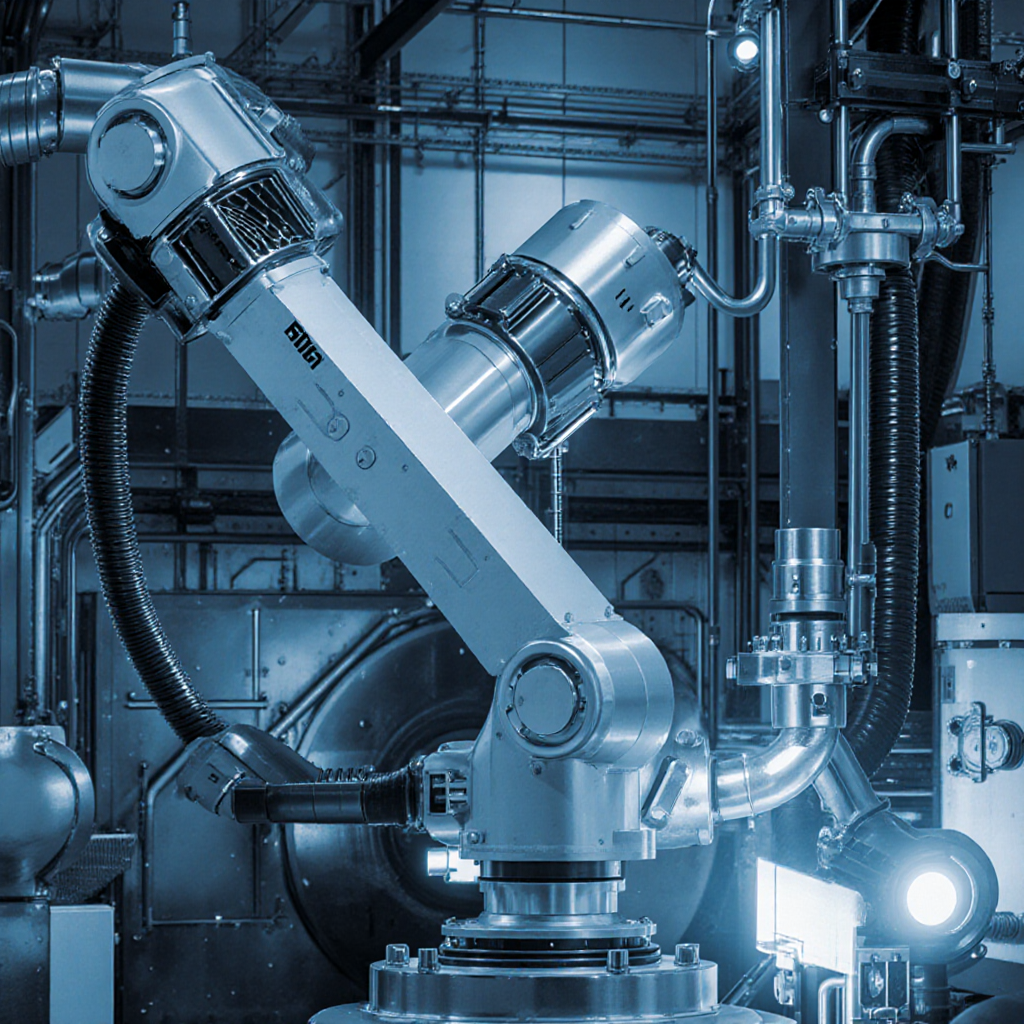
Industrial automation is the application of control systems, such as computers or industrial robots, and information technologies to operate machinery and processes with minimal human intervention. Its primary purpose is to streamline operations, increase productivity, and ensure precision in manufacturing workflows.
Key components of industrial automation include:
- PLC Programming Singapore: Custom programmable logic controllers (PLCs) allow manufacturers to automate complex production tasks reliably and efficiently.
- HMI Design: Human-Machine Interfaces (HMIs) enable operators to monitor and control machinery with intuitive interfaces, reducing downtime and errors.
- Robotics Integration Singapore: Robots are increasingly handling assembly, packaging, and material movement tasks, improving speed and consistency.
- Motion Control Systems: These systems ensure precise movement and synchronization of machinery, critical for high-speed and high-accuracy manufacturing.
- System Integration: Seamlessly connecting machinery, networks, and control software to create intelligent, responsive production environments.
The Benefits of Industrial Automation
Implementing industrial automation solutions in Singapore provides significant advantages for manufacturers, including:
1. Enhanced Productivity
Automation allows for continuous operation, 24/7 production, and faster cycle times. By reducing manual labor and automating repetitive processes, manufacturers can achieve higher throughput and improve overall productivity.
2. Improved Accuracy and Quality
Automated systems minimize human errors and ensure consistent output. From precision motion control to PLC-controlled assembly lines, industrial automation guarantees higher quality standards and reduces the likelihood of defects.
3. Cost Reduction
While the initial investment in automation technology can be significant, the long-term savings from reduced labor costs, fewer errors, and lower downtime make it a cost-effective solution for Singaporean manufacturers.
4. Enhanced Safety
Industrial automation can handle dangerous tasks and hazardous materials, improving workplace safety for human operators. Robotics integration and automated monitoring systems help prevent accidents and ensure regulatory compliance.
Applications Across Industries
Industrial automation in Singapore spans multiple industries, providing tailored solutions for diverse manufacturing needs:
- Electronics Manufacturing: High-precision assembly and testing, ensuring consistent performance of electronic components.
- Food & Beverage: Processing, packaging, and handling automation that improves speed and hygiene.
- Pharmaceutical: Automation of clean room environments, precise dosing, and packaging to meet regulatory standards.
- Automotive: Robotic assembly lines, welding, and material handling for efficient vehicle manufacturing.
- Logistics & Warehousing: Automated material handling systems that streamline storage, retrieval, and inventory management.
PLC Programming and HMI Design
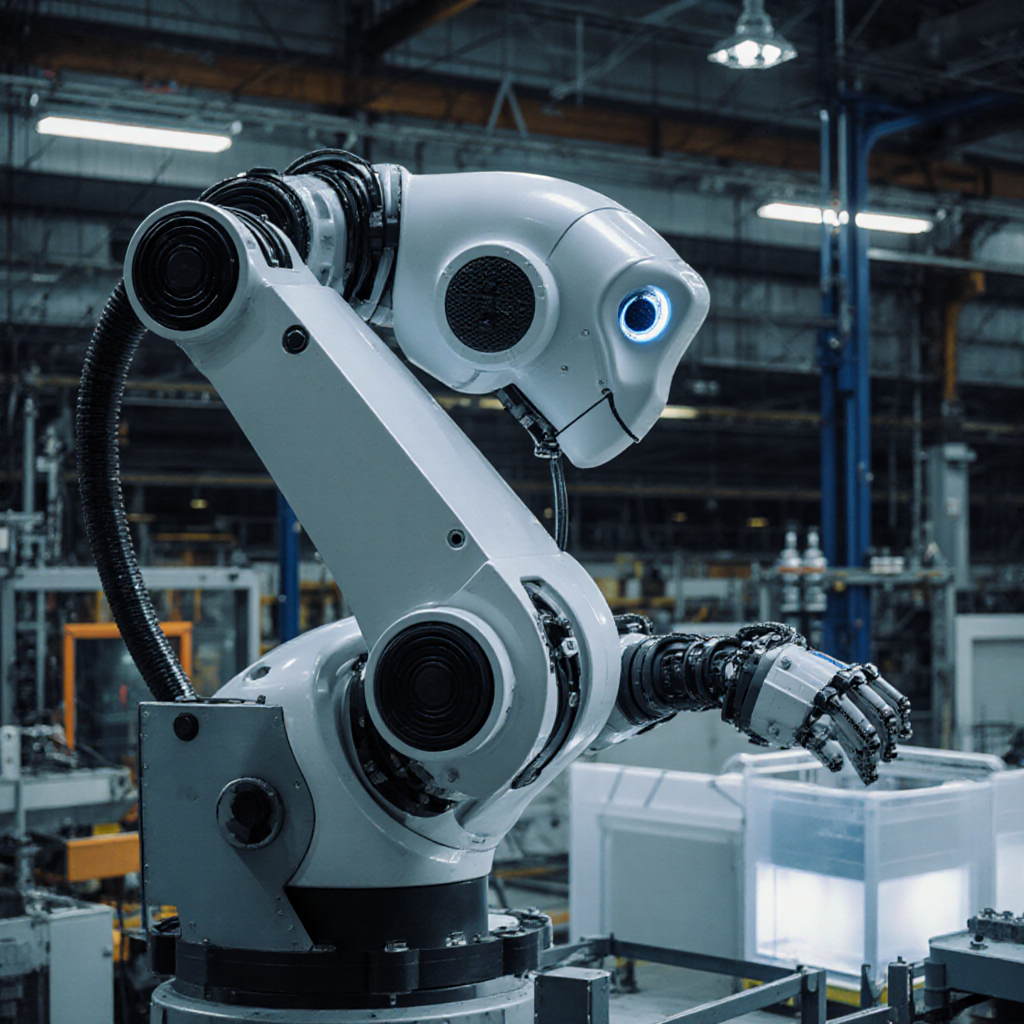
PLC programming Singapore is the backbone of most automation systems. PLCs control machinery, coordinate processes, and manage industrial workflows. Coupled with effective HMI design, operators can easily monitor and adjust operations in real-time.
Companies implementing advanced PLC and HMI solutions experience improved reliability, faster response times, and greater visibility into production processes.
Robotics Integration Singapore
Robotics integration is a cornerstone of modern industrial automation. Robots are employed to handle repetitive, dangerous, or precision tasks, increasing speed and accuracy while reducing labor costs. In Singapore, robotics integration has become essential in sectors like electronics, F&B, and pharmaceuticals.
Collaborative robots (cobots) are also gaining popularity, working alongside human operators to enhance productivity and maintain flexibility in production lines.
Motion Control Systems
Precision motion control systems coordinate multi-axis machinery with high-speed accuracy. These systems are critical in manufacturing processes that demand precision, such as semiconductor assembly, packaging, or high-speed material handling.
Integrating motion control with PLCs and robotics ensures synchronized operations, reduces errors, and maximizes throughput for Singaporean factories.
System Integration for Seamless Operations
Full system integration ties together machinery, sensors, software, and networks to create an intelligent, automated factory floor. By integrating SCADA systems, IoT devices, and centralized monitoring, manufacturers gain real-time insights and control over production operations.
Why Singapore Manufacturers Choose Automation
Singaporean manufacturers operate in a highly competitive market, where efficiency, quality, and speed are crucial. Automation solutions provide:
- Faster time-to-market for products
- Reduced operational costs through optimized processes
- Compliance with strict industry standards
- Scalability for growing production demands
Future Trends in Industrial Automation
The future of industrial automation in Singapore is evolving rapidly with emerging technologies:
- Artificial Intelligence & Machine Learning: Optimizing production schedules, predictive maintenance, and defect detection.
- Industrial IoT: Connecting machines, sensors, and software for real-time data analytics.
- Advanced Robotics: Collaborative robots, mobile robots, and smart robotic systems for flexible automation.
- Digital Twins: Virtual replicas of production lines to simulate and optimize operations before implementation.
Conclusion
Industrial automation in Singapore is no longer optional—it is a strategic necessity for manufacturers seeking efficiency, quality, and competitiveness. By adopting PLC programming, robotics integration, motion control, and system integration solutions, companies can enhance productivity, reduce costs, and achieve operational excellence.
Zentrol Engineering Pte Ltd specializes in delivering customized industrial automation solutions across Southeast Asia. With technical expertise, practical industry experience, and a commitment to innovation, we help manufacturers transform their production facilities into highly efficient, automated operations.
Investing in industrial automation is an investment in the future of manufacturing. For companies in Singapore looking to improve efficiency, reduce errors, and scale production, automation is the key to staying competitive in today’s rapidly evolving industrial landscape.