Robotics Integration in Modern Manufacturing: Benefits, Costs, and Use Cases
Modern manufacturing is rapidly evolving as companies adopt advanced automation technologies to improve efficiency, consistency, and scalability. Among these technologies, robotics integration singapore has become one of the most impactful solutions for transforming production environments. From assembly lines to quality inspection systems, industrial robots are now a core component of smart factories across Singapore and globally.
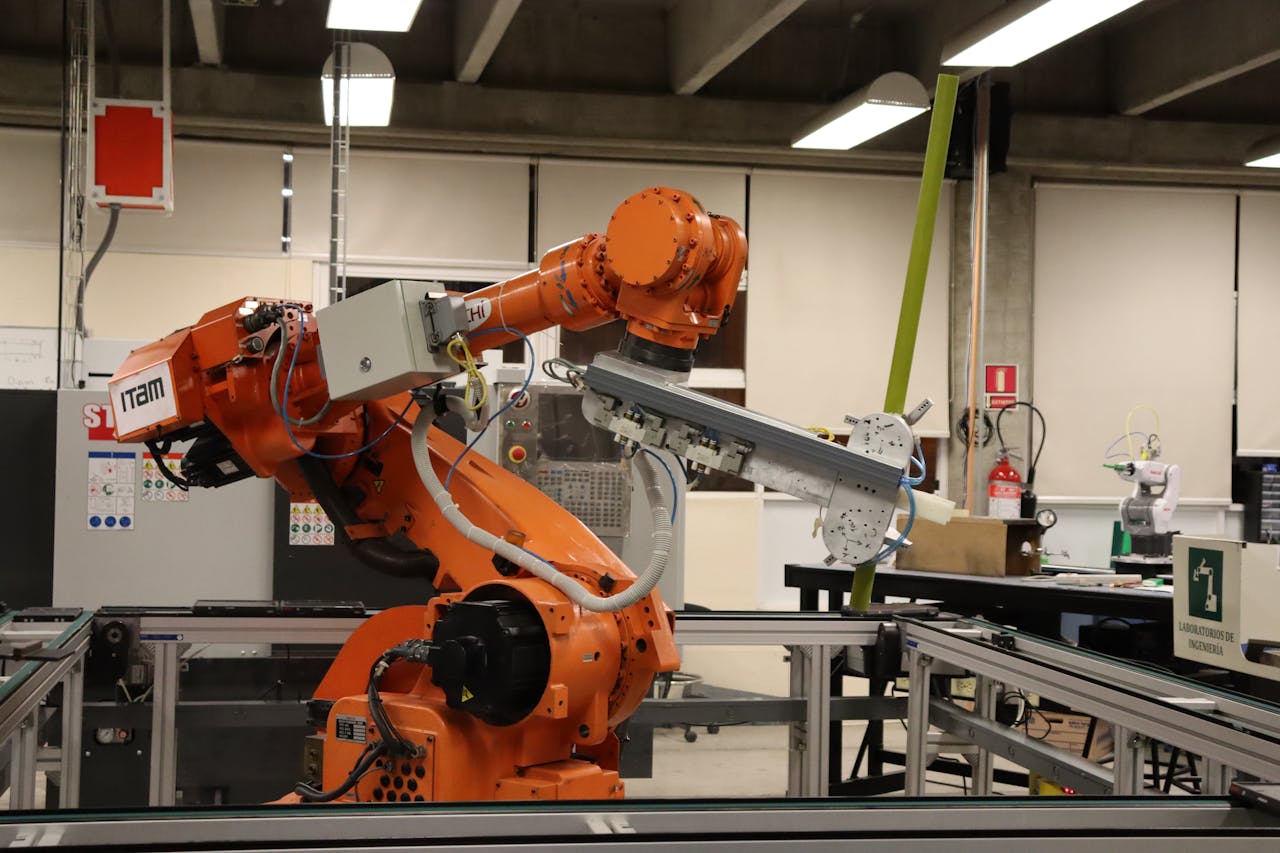
Table of Contents
- What is Robotics Integration?
- Why Robotics is Transforming Manufacturing
- Key Types of Industrial Robots
- Benefits of Robotics Integration
- Costs of Implementing Robotics Systems
- Use Cases in Modern Manufacturing
- Robotics and PLC System Integration
- Motion Control and Precision Robotics
- Industrial IoT and Smart Robotics
- Industry Applications in Singapore
- Challenges in Robotics Implementation
- Future of Robotics in Manufacturing
- Conclusion
What is Robotics Integration?
Robotics integration refers to the process of combining industrial robots with other automation systems such as PLCs, sensors, vision systems, and software platforms to create fully functional automated production environments.
Instead of operating as standalone machines, robots in modern factories are integrated into larger systems that allow them to communicate, coordinate, and execute complex tasks with minimal human intervention.
Why Robotics is Transforming Manufacturing
Robotics is transforming manufacturing because it enables companies to achieve higher productivity, improved quality, and lower operational costs. In high-cost labor markets like Singapore, robotics provides a practical solution to manpower challenges.
Robots can operate continuously, perform repetitive tasks with high precision, and reduce the risk of human error in production environments.
Key Types of Industrial Robots
Different types of robots are used depending on manufacturing requirements:
- Articulated Robots: Multi-jointed robots used for welding, assembly, and material handling
- SCARA Robots: Used for high-speed pick-and-place operations
- Delta Robots: Ideal for fast packaging and sorting tasks
- Cartesian Robots: Used for CNC-like precision movements
- Collaborative Robots (Cobots): Designed to work safely alongside humans
Benefits of Robotics Integration
Robotics integration offers significant advantages for modern manufacturers:
Increased Productivity
Robots can operate 24/7 without fatigue, significantly increasing production output and efficiency.
Improved Product Quality
Robotic systems perform tasks with consistent precision, reducing defects and improving overall product quality.
Reduced Labor Costs
Automation reduces dependency on manual labor, lowering long-term operational expenses.
Enhanced Workplace Safety
Robots handle dangerous tasks such as heavy lifting, welding, and chemical processing, reducing workplace accidents.
Costs of Implementing Robotics Systems
While robotics integration offers strong ROI, initial setup costs can be significant. Costs typically include robot hardware, system integration, programming, maintenance, and training.
However, most manufacturers recover investment costs over time through improved efficiency, reduced labor dependency, and lower defect rates.
Use Cases in Modern Manufacturing
Robotics is widely used across multiple manufacturing applications:
- Assembly line automation
- Pick-and-place operations
- Welding and fabrication
- Packaging and palletizing
- Quality inspection and machine vision
Robotics and PLC System Integration
Robots are typically integrated with PLC systems to ensure synchronized control across production lines. The PLC acts as the central controller, coordinating robot actions with conveyors, sensors, and other machinery.
This integration ensures smooth production flow and reduces system conflicts or downtime.
Motion Control and Precision Robotics
Motion control systems play a critical role in robotics integration by enabling precise movement control. This is especially important in industries requiring high accuracy such as electronics and semiconductor manufacturing.
Advanced servo systems and feedback loops ensure robots operate with micrometer-level precision.
Industrial IoT and Smart Robotics
Industrial IoT enables robots to collect and share real-time operational data. This data is used for predictive maintenance, performance optimization, and production analytics.
Smart robotics systems can even adjust their behavior dynamically based on production conditions.
Industry Applications in Singapore
Robotics integration is widely adopted across Singapore’s key industries:
- Electronics manufacturing and semiconductor assembly
- Food and beverage packaging
- Pharmaceutical production and handling
- Logistics and warehouse automation
- Precision engineering and machining
Challenges in Robotics Implementation
Despite its benefits, robotics integration comes with challenges such as high upfront costs, complex system integration, and the need for skilled engineers.
Proper system design and experienced automation partners are essential for successful implementation.
Future of Robotics in Manufacturing
The future of robotics in manufacturing is moving toward fully autonomous systems powered by artificial intelligence, machine learning, and advanced sensor technologies.
- AI-driven robotic decision-making
- Self-learning robotic systems
- Fully autonomous production lines
- Human-robot collaborative factories
Conclusion
Robotics integration is transforming modern manufacturing by improving productivity, reducing costs, and enhancing production quality. In Singapore’s competitive industrial environment, robotics has become a key driver of efficiency and long-term growth.
Companies that invest in robotics integration today will be better positioned to compete in the future of smart manufacturing and Industry 4.0.