SCADA vs PLC: Key Differences Every Engineer Should Understand
In modern industrial automation systems, two of the most commonly used technologies are SCADA and PLC. Although they are often mentioned together, they serve very different roles in a factory environment. Understanding the difference between them is essential for designing efficient and scalable automation systems. In Singapore’s advanced manufacturing sector, both technologies are widely used in factories, and their integration is a key part of scada system singapore implementations.
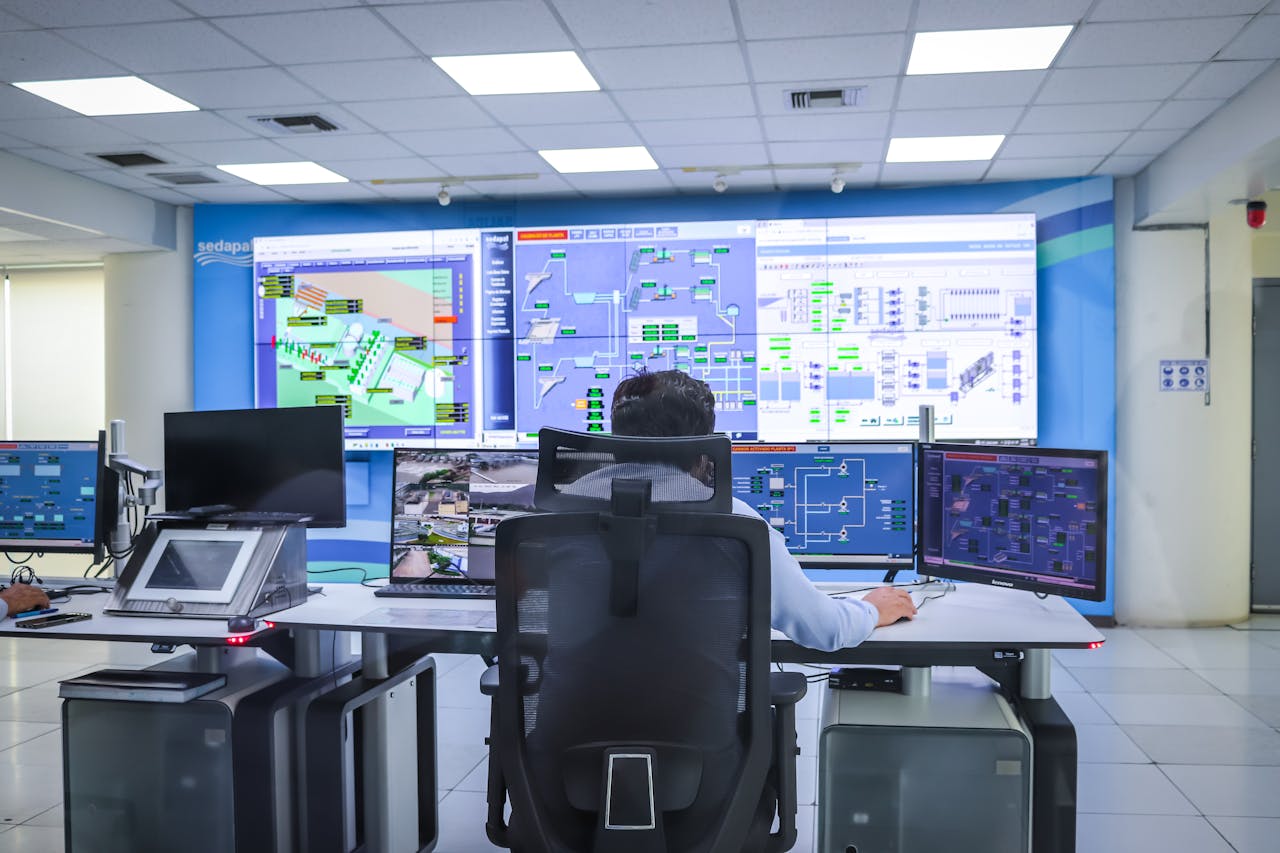
Table of Contents
- What is a PLC?
- What is SCADA?
- Key Differences Between SCADA and PLC
- How PLCs Work in Industrial Automation
- How SCADA Systems Work in Manufacturing
- SCADA vs PLC: Control vs Monitoring
- Integration of SCADA and PLC Systems
- Benefits of Using SCADA and PLC Together
- Applications in Singapore Manufacturing
- Common Industrial Use Cases
- Challenges in SCADA and PLC Systems
- Future of Industrial Control Systems
- Conclusion
What is a PLC?
A Programmable Logic Controller (PLC) is a rugged industrial computer designed to control machines and automate processes in real time. PLCs receive input signals from sensors, process logic instructions, and send output commands to actuators, motors, and other devices.
PLCs are widely used in manufacturing environments because they are reliable, fast, and capable of operating in harsh industrial conditions.
What is SCADA?
SCADA (Supervisory Control and Data Acquisition) is a system used for monitoring and controlling industrial processes at a higher level. Unlike PLCs, SCADA does not directly control machines but instead collects data from PLCs and other devices to provide a centralized overview of operations.
SCADA systems are used to visualize production data, track performance, and enable remote monitoring of industrial facilities.
Key Differences Between SCADA and PLC
While SCADA and PLC systems work together, they have distinct roles in automation architecture:
- PLC: Controls machines and executes real-time logic
- SCADA: Monitors, visualizes, and analyzes system data
- PLC: Operates at the machine level
- SCADA: Operates at the supervisory level
- PLC: Works in milliseconds for control tasks
- SCADA: Works in seconds or longer for monitoring
How PLCs Work in Industrial Automation
PLCs function by continuously scanning inputs, executing programmed logic, and updating outputs. This cycle happens extremely quickly, allowing real-time control of machines and processes.
In manufacturing environments, PLCs control conveyor systems, robotic arms, packaging machines, and assembly lines with high precision.
How SCADA Systems Work in Manufacturing
SCADA systems collect data from PLCs, sensors, and industrial devices, then display this information through dashboards and graphical interfaces.
Operators can monitor machine status, production rates, alarms, and system performance in real time, enabling better decision-making and faster response to issues.
SCADA vs PLC: Control vs Monitoring
The key difference between SCADA and PLC systems is their role in automation:
- PLC = Control System: Executes direct machine operations
- SCADA = Monitoring System: Oversees and visualizes operations
In simple terms, PLCs “do the work” while SCADA systems “watch and manage the work.”
Integration of SCADA and PLC Systems
In modern factories, SCADA and PLC systems are tightly integrated. PLCs handle real-time machine control, while SCADA systems collect and analyze data from those PLCs.
This integration allows factories to achieve full visibility and control over production processes from a centralized interface.
Benefits of Using SCADA and PLC Together
When SCADA and PLC systems are combined, manufacturers benefit from:
- Real-time machine control and monitoring
- Improved production efficiency
- Faster fault detection and troubleshooting
- Better decision-making through data analytics
- Reduced downtime and operational risks
Applications in Singapore Manufacturing
In Singapore, SCADA and PLC systems are widely used across industries such as electronics manufacturing, semiconductor production, food processing, and logistics automation.
These systems help manufacturers maintain high efficiency, meet strict quality standards, and optimize production processes.
Common Industrial Use Cases
- Automated production lines
- Water treatment plants
- Energy management systems
- Warehouse automation systems
- Manufacturing process control systems
Challenges in SCADA and PLC Systems
Despite their benefits, SCADA and PLC systems can be complex to implement. Challenges include system integration, cybersecurity risks, and compatibility between different hardware and software platforms.
Proper system design and experienced engineers are required to ensure reliable and secure operation.
Future of Industrial Control Systems
The future of SCADA and PLC systems is evolving toward cloud-based control, AI integration, and Industrial IoT connectivity.
- Cloud-based SCADA platforms
- AI-driven automation optimization
- Edge computing in PLC systems
- Cyber-secure industrial networks
Conclusion
SCADA and PLC systems are both essential components of modern industrial automation. While PLCs handle real-time machine control, SCADA systems provide monitoring, visualization, and data analysis.
Understanding the differences and integration between these systems is critical for building efficient and scalable manufacturing environments, especially in Singapore’s competitive industrial sector.