Industrial Automation in Singapore: Complete Guide for Manufacturers
Singapore has become one of the most advanced manufacturing hubs in Asia, driven by rapid adoption of smart technologies and advanced engineering systems. Today, industrial automation singapore is no longer just a competitive advantage—it is a necessity for survival in a highly cost-sensitive and efficiency-driven industrial environment. From semiconductor factories to food production plants, automation is reshaping how production lines operate, scale, and compete globally.
Table of Contents
- Introduction to Industrial Automation in Singapore
- Why Singapore Leads in Automation Adoption
- Core Technologies Behind Industrial Automation
- PLC Programming and Its Role in Manufacturing
- How Automation Improves Factory Efficiency
- Reducing Downtime Through Smart Systems
- Robotics Integration in Modern Factories
- Motion Control Systems in Precision Manufacturing
- SCADA Systems and Real-Time Monitoring
- Industry Applications Across Singapore
- Challenges in Industrial Automation Deployment
- Future of Smart Manufacturing in Singapore
- Conclusion
Introduction to Industrial Automation in Singapore
Industrial automation refers to the use of advanced control systems such as PLCs, robotics, sensors, and industrial software to operate machines and production systems with minimal human intervention. In modern manufacturing, automation improves consistency, reduces human error, and enables 24/7 production capabilities.
In Singapore, automation adoption is accelerating due to rising labor costs, limited workforce availability, and strong government initiatives supporting Industry 4.0 transformation. As a result, companies are investing heavily in smart factories and digital manufacturing systems.
Why Singapore Leads in Automation Adoption
Singapore is a global leader in high-value manufacturing and precision engineering. Several factors contribute to its rapid adoption of automation technologies:
- High cost of labor compared to automation investment ROI
- Strong government push for Smart Nation and Industry 4.0
- Advanced infrastructure and digital readiness
- High reliance on export-driven manufacturing industries
- Demand for precision, quality, and zero-defect production
As a result, industries in Singapore are transitioning from manual production systems to fully automated smart factories.
Core Technologies Behind Industrial Automation
Modern industrial automation systems rely on several integrated technologies working together:
- PLCs (Programmable Logic Controllers): Execute logic-based machine control
- Sensors & Actuators: Collect real-time data and perform physical actions
- HMI Systems: Allow operators to control machines visually
- SCADA Systems: Provide centralized factory monitoring
- Industrial Robotics: Automate repetitive or precision tasks
- Industrial IoT: Connect machines for real-time data analysis
PLC Programming and Its Role in Manufacturing
Plc programming singapore plays a central role in industrial automation systems. PLCs act as the brain of factory operations, executing programmed logic to control machines, conveyors, sensors, and production sequences.
In Singapore’s manufacturing sector, PLC systems are widely used in semiconductor production lines, packaging systems, and automated assembly systems. They ensure precision, reliability, and repeatability in production processes.
How Automation Improves Factory Efficiency
Industrial automation significantly improves factory efficiency by reducing manual dependency and optimizing production workflows. Automated systems can operate continuously without fatigue, leading to higher output and consistent quality.
Key efficiency improvements include:
- Faster production cycles
- Reduced human error
- Optimized resource usage
- Improved production consistency
Reducing Downtime Through Smart Systems
One of the most important benefits of automation is reducing unplanned downtime. Smart systems equipped with sensors and predictive analytics can detect failures before they occur.
Instead of reacting to breakdowns, manufacturers can schedule maintenance proactively, reducing costly production stoppages.
Robotics Integration in Modern Factories
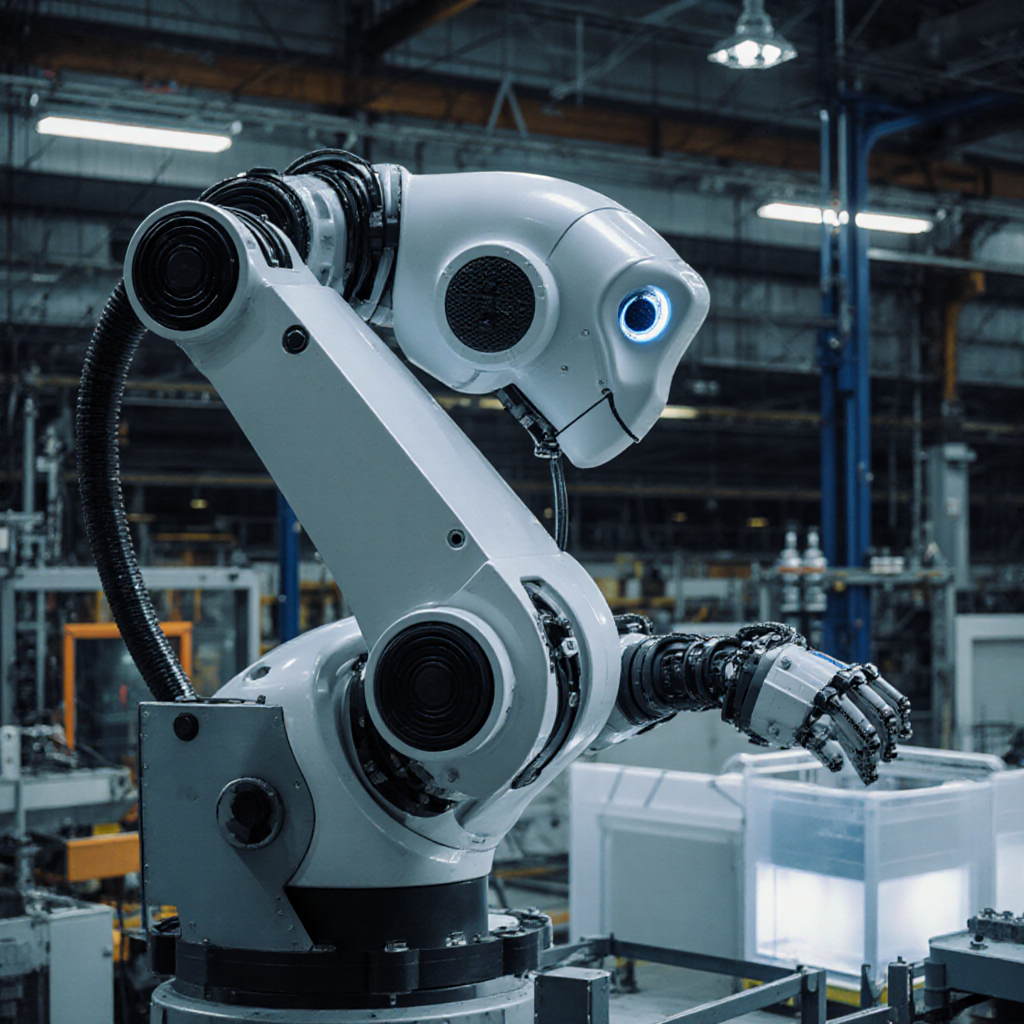
Robotics integration singapore is transforming modern manufacturing environments. Industrial robots are used for tasks such as welding, assembly, inspection, packaging, and material handling.
Collaborative robots (cobots) are also becoming popular in Singapore because they can safely work alongside human operators, increasing productivity while maintaining flexibility.
Motion Control Systems in Precision Manufacturing
Motion control systems are essential for industries requiring high precision and synchronization. These systems control servo motors and actuators to ensure accurate movement in machinery.
In sectors like semiconductor manufacturing and electronics assembly, motion control ensures micrometer-level precision and high-speed operation.
SCADA Systems and Real-Time Monitoring
Scada system singapore provides centralized monitoring and control of industrial processes. SCADA systems collect real-time data from machines and display it in dashboards for operators and engineers.
This enables faster decision-making, improved system visibility, and better production control across large manufacturing facilities.
Industry Applications Across Singapore
- Electronics Manufacturing: Automated PCB assembly and testing systems
- Food & Beverage: Packaging, filling, and processing automation
- Pharmaceuticals: Cleanroom automation and precision dosing systems
- Logistics: Automated warehouses and conveyor systems
- Precision Engineering: CNC automation and robotic machining
Challenges in Industrial Automation Deployment
Despite its benefits, implementing industrial automation can be complex. Common challenges include high initial investment, system integration difficulties, and shortage of skilled engineers.
Companies must carefully plan their automation strategy to ensure long-term ROI and scalability.
Future of Smart Manufacturing in Singapore
The future of manufacturing in Singapore is moving toward fully connected smart factories powered by AI, IoT, and robotics.
- AI-driven predictive maintenance systems
- Fully autonomous production lines
- Digital twin simulations for factory optimization
- Cloud-based industrial control systems
Conclusion
Industrial automation singapore is fundamentally transforming how manufacturers operate in Singapore. By adopting advanced technologies such as PLC programming, robotics integration, motion control, and SCADA systems, companies can achieve higher efficiency, lower costs, and improved competitiveness.
Businesses that invest early in automation will be better positioned to succeed in the future of smart manufacturing.